
Law enforcement agencies use a specialized phonetic alphabet, often distributed as PDF manuals. These PDFs provide standardized code words for clear radio and written communication. for field use.!
Definition and Purpose
Law enforcement phonetic alphabets are specialized code systems designed to eliminate ambiguity in spoken communication, especially over noisy radio channels. The PDF documents that accompany these alphabets serve as official reference tools for officers, providing a concise list of code words paired with each alphabet letter. By standardizing pronunciation, the system reduces misinterpretation during critical operations such as dispatch, evidence logging, and inter‑agency coordination. The primary purpose is to ensure that every message—whether transmitted live or recorded—maintains clarity, thereby enhancing operational safety and legal accuracy. These PDFs are typically distributed through departmental training portals, ensuring that all personnel have immediate, on‑hand access to the correct terminology.
The PDF format allows officers to quickly reference the alphabet on handheld radios, mobile devices, or printed handbooks during patrols and investigations.

Historical Development
Law enforcement phonetic alphabets trace their roots to the 1940s, when the International Civil Aviation Organization (ICAO) formalized a NATO‑style system for aviation safety. Police agencies in the United States adopted the system in the 1960s to improve radio clarity during high‑pressure incidents. By the 1980s, many departments began publishing their own PDF manuals, customizing code words to reflect local terminology and legal requirements. The 1990s saw the introduction of digital radio platforms, prompting updates to the PDFs to include phonetic cues for emerging communication protocols. In the early 2000s, federal agencies such as the FBI and DEA released standardized PDF guides that were distributed nationwide. The most recent revision, issued in 2023, incorporates guidance on cybersecurity and the use of encrypted channels, ensuring that the alphabet remains relevant in modern law‑enforcement contexts. These PDFs are updated to reflect new terminology tech, and legal standards across jurisdictionsUSUK.
This PDF format ensures accessibility across devices, supporting mobile usage US UK EU
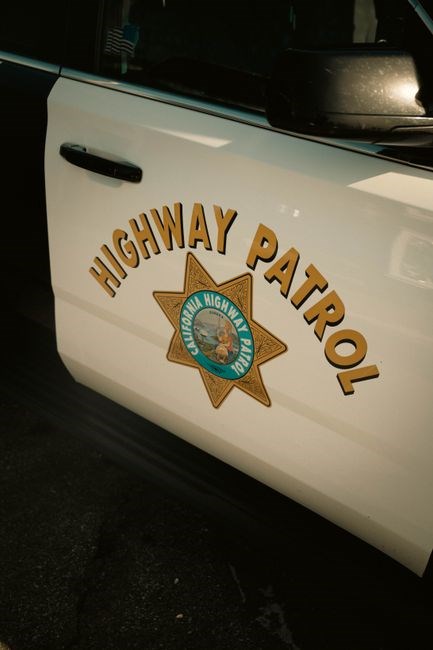
Comparison with NATO Phonetic Alphabet
Law enforcement PDFs modify NATO codes, adding terms like “Badge” or “Warrant.” They keep clarity for legal, ensuring uniform use across agenciesUS.
Key Differences
Law enforcement phonetic alphabet PDFs differ from the NATO standard in several ways. First, the code words are tailored to policing terminology, replacing generic NATO entries with terms such as “Badge,” “Warrant,” “Arrest,” and “Evidence” to reduce ambiguity during critical operations. Second, the PDFs often include regional variations to accommodate local dialects and acronyms used by specific agencies, ensuring that officers in different jurisdictions can interpret signals uniformly. Third, the layout of the PDF is designed for quick reference on mobile devices, featuring a two‑column grid with high‑contrast colors and large, legible fonts that aid readability in low‑light or high‑noise environments. Fourth, many law‑enforcement PDFs embed QR codes that link to online training modules, allowing officers to verify the correct pronunciation and usage of each code word in real time. Finally, the legal documentation within the PDF references state and federal regulations, providing a compliance framework that aligns the alphabet with official reporting standards and audit requirements. These enhancements make the law‑enforcement phonetic alphabet a specialized, mission‑critical tool that supports clear communication, reduces misinterpretation, and supports interoperability across agencies. These PDFs are essential for maintaining operational integrity.!!
Adoption by Law Enforcement Agencies
Law enforcement agencies across the United States and internationally have integrated the specialized phonetic alphabet into daily operations through downloadable PDF resources. The adoption process begins with a departmental directive that mandates the alphabet for all radio, dispatch, and written communications. Training officers on the PDF’s code words occurs during onboarding and periodic refresher courses. Many agencies embed the PDF into intranet portals, ensuring instant access on mobile devices. Compliance audits verify correct usage in incident reports and dispatch logs. As a result, the phonetic alphabet PDF has become a cornerstone of clear, unambiguous communication in high‑stakes environments, reducing misinterpretation and enhancing operational efficiency across the law‑enforcement spectrum. The PDF includes a searchable index, pronunciation guides, and a QR code linking to an audio library, ensuring that officers can quickly confirm the correct term during high‑pressure situations.!!!!

Official PDF Resources
Downloadable PDFs from state police, FBI, and U.S. Marshals give code words, pronunciation guides, and usage examples for clear communication. for dispatch and reports.
Government Publications
Federal agencies release official PDFs detailing the law enforcement phonetic alphabet. The FBI’s “Phonetic Alphabet Guide” outlines each code word, pronunciation and usage scenarios, ensuring uniformity across field units. The Department of Justice publishes a companion manual, “Standardized Radio Communication,” which integrates the alphabet into dispatch protocols. State police departments, such as the California Highway Patrol, provide downloadable PDFs that adapt the federal standard to local terminology. These documents are hosted on agency websites and are updated annually to reflect changes in terminology, technology, and regulatory requirements. Officers can access the PDFs via the agencies’ public portals, download them for offline reference, and incorporate them into training curricula. The availability of these resources promotes consistency, reduces miscommunication, and enhances operational efficiency across jurisdictions. All PDFs are to download now
Police Department Documents
Local police departments provide official PDFs that embed law enforcement phonetic alphabet into daily operations. New York City Police Department’s “Field Communication Manual” PDF lists each letter with its corresponding code word, pronunciation guide, and example call‑out scenarios. Similarly, Chicago Police Department distributes a “Radio Phraseology Handbook” that integrates the alphabet into standard dispatch protocols, ensuring that officers across precincts use identical terminology. These documents are typically found on the departments’ public‑access portals, often under “Training Resources” or “Operational Standards.” Officers download the PDFs, print hard copies for quick reference, and incorporate the material into classroom and inservice training modules. The PDFs also include troubleshooting tips for common misinterpretations, a glossary of acronyms, and links to supplemental training videos. Standardizing alphabet reduces miscommunicatoin risk improves coordination during the a operations.(2026)
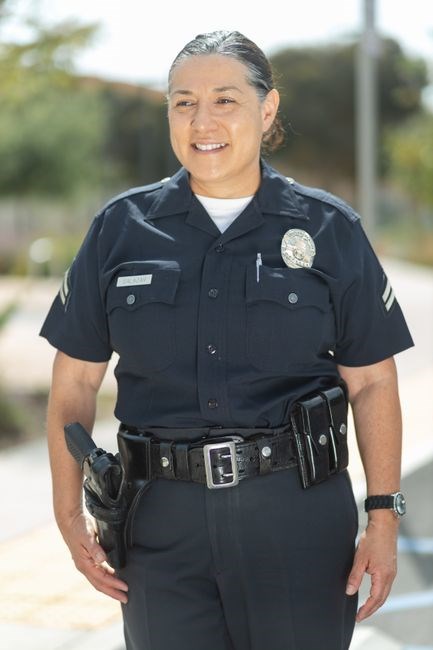
How to Use the Alphabet in Field Operations
Use the PDF guide to spell names, codes, and addresses over radio. Repeat each letter’s code word, pause, and confirm receipt. Practice dailyASAP
Radio Communication
Law enforcement agencies rely on the phonetic alphabet PDF to ensure clarity during radio transmissions. The PDF outlines code words for each letter, allowing officers to spell out names, serial numbers, locations, and critical data without ambiguity. When transmitting over a shared channel, operators should enunciate each code word distinctly, pause briefly between words, and confirm receipt with a “copy” or “received” acknowledgment. The PDF also recommends using a standardized cadence—typically one syllable per second—to maintain consistency across units. In high‑noise environments, repeating the code word twice can reduce misinterpretation. Officers should practice the alphabet in simulated dispatch scenarios to build muscle memory. The PDF includes sample scripts for common phrases such as “Unit 12, proceed to block 5A” or “Suspect identified as John Doe, vehicle red sedan.” By adhering to the PDF’s guidelines, agencies can minimize errors improve situational awareness and enhance overall mission effectiveness!
Written Reports
When officers document incidents, the phonetic alphabet PDF serves as a reference for spelling out identifiers, The PDF lists each letter with its corresponding code word, enabling consistent transcription across departments. For example, a report might read “Unit Bravo-Three, vehicle Alpha-Nine, suspect Charlie-Delta.” By using the alphabet, clerks avoid confusion that can arise from similar-sounding letters, especially in handwritten or typed logs. The PDF also advises formatting guidelines: each code word should be capitalized, separated by hyphens, and followed by a brief explanatory note if necessary. Training modules include mock report writing exercises where officers must transcribe a call log using the phonetic alphabet. This practice reinforces accuracy and speeds up data entry. Keep PDF in your desk for quick use. Consistent use of the phonetic alphabet in written reports improves communication, reduces errors in evidence handling, supports audit trails for legal proceedings.

Training and Certification
Law enforcement agencies provide PDF training modules on phonetic alphabet usage, including interactive quizzes, scenario-based exercises, and certification exams to ensure proficiency for all officers now.
Training Programs
Police departments use a PDF guide that details a structured training curriculum for the law enforcement phonetic alphabet. The program starts with an introductory module explaining the alphabet’s purpose, history, and the need for clear communication in critical incidents. Trainees then engage in interactive lessons covering each code word, pronunciation drills, and real‑world usage such as radio dispatch, written reports, and emergency coordination. Embedded audio files enable officers to hear native pronunciation, promoting consistency across jurisdictions. Assessment is integrated: short quizzes after each module test recall, and a final exam evaluates overall proficiency. Successful completion earns an official certification badge, required for field deployment and logged in the agency’s personnel database. The curriculum is updated annually to reflect terminology changes, technology advancements, and best practices, and the PDF is freely available on the department’s intranet and public website for transparency and community outreach. Officers also receive hands‑on practice during simulated dispatch scenarios, reinforcing muscle memory. This ensures consistent performance.
Certification Requirements
Certification for the law enforcement phonetic alphabet is mandatory for all officers using the system. The process begins with a written test that covers the full alphabet, pronunciation rules, and situational usage. Candidates must score at least 85 % to advance. Following the test, a practical assessment requires the officer to correctly transmit a series of coded messages over a simulated radio channel. The assessment is timed and scored by a certified instructor. Upon successful completion, the officer receives a digital certificate stored in the department’s personnel system and a badge for field ID. publicly Certificates must be renewed every two years, with a refresher course that includes updates on any new code words or procedural changes. Failure to maintain certification in suspension of radio privileges until the officer re‑qualifies. All documentation, including test and renewal records, is archived in a PDF repository public accessible to supervisory staff.
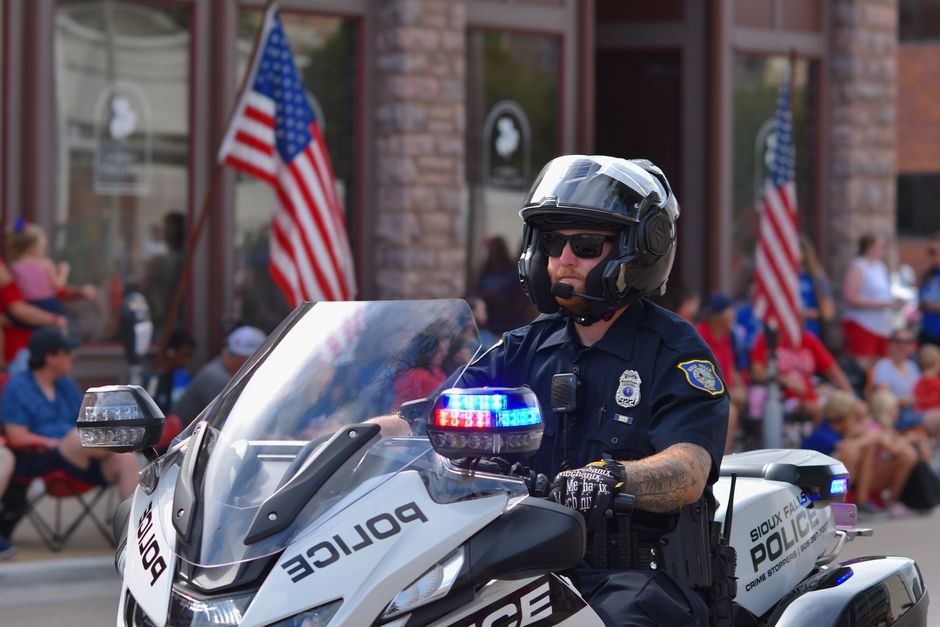
Common Challenges and Solutions
Challenges include mispronunciation, overlapping code words, and outdated PDFs. Solutions: regular drills, updated digital PDFs, and cross‑agency workshops improve consistency. Regular updates now.
Misinterpretation Issues
Field officers often encounter misinterpretation when phonetic code words overlap with common vernacular or when accents obscure pronunciation. In many jurisdictions, the PDF manuals list code words that sound similar—such as “Alpha” versus “Alfa” or “Bravo” versus “Brah‑vo”—leading to confusion during high‑stress radio exchanges. Additionally, older PDF versions may omit recent updates, causing discrepancies between agencies that have adopted newer standards. These inconsistencies can result in delayed responses, misfiled reports, or even operational errors. To mitigate such risks, law‑enforcement departments implement regular refresher drills that emphasize pronunciation clarity and the distinction between phonetically similar terms. Many agencies also distribute updated PDF guides in both digital and printed formats, ensuring that every officer has access to the latest code list. Continuous PDF updates are mandatory to keep all units aligneddaily

Standardization Across Jurisdictions
Uniformity of the phonetic alphabet is crucial for law‑enforcement agencies. States use a common PDF reference, though local manuals vary. The National Police Chiefs’ Association recommends a single, downloadable PDF that lists code words, pronunciation guides, and usage scenarios. When jurisdictions diverge—such as using “Charlie” for “C” in one county and “C‑H‑A‑R‑L‑I‑E” in another—radio chatter can become garbled, especially in joint task forces. To resolve this, federal agencies mandate that every department submit its PDF version to National Criminal Justice Reference Service for approval. The resulting “Standardized Law Enforcement Phonetic Alphabet” PDF is then distributed nationwide, ensuring that officers in rural precincts and metropolitan police departments read the same symbols. Regular audits of PDF compliance are conducted through Office of Justice Programs, and any updates are pushed to all agencies via secure FTP, guaranteeing that alphabet remains consistent across borders.

Future Trends and Updates
Emerging AI tools will auto‑translate phonetic codes, while blockchain ensures PDF integrity. Updated PDFs will feature glossaries, multilingual support for global law‑enforcement use. daily updates.!!
Technological Integration
Modern law‑enforcement phonetic alphabet PDFs are now integrated into mobile dispatch apps, letting officers tap a letter to hear the correct code word via text‑to‑speech. Voice assistants can fetch the alphabet table and read it aloud, cutting radio miscommunication. Secure cloud storage and blockchain signatures ensure every department receives the same, tamper‑proof PDF. QR‑coded stickers on radios link to the latest PDF, auto‑downloading updates. AI‑driven voice recognition and instant translation features support multilingual policing, offering Spanish, French, and Arabic equivalents. These tools streamline daily reports and reinforce clear, reliable communication across jurisdictions. These advancements also enable real‑time translation of radio traffic into multiple languages, ensuring that dispatchers and officers can coordinate seamlessly in diverse communities. Future updates may use machine‑learning to adapt the alphabet to regional usage, enhancing clarity.!
Proposed Revisions

Recent surveys of police departments reveal that the current phonetic alphabet, while functional, can still cause confusion in high‑pressure scenarios. Proposed revisions aim to streamline the code set, reduce homophones, and incorporate regional dialect considerations. One suggestion is to replace “Alpha” with “A‑Bravo” to avoid overlap with the letter “A” in rapid speech. Another is to add a “Zero‑Zulu” entry, ensuring numeric clarity on radio chatter. Additionally, a new “Delta‑Delta” code could be introduced for “D” to aid in distinguishing “Delta” from “Delta‑Delta” when used in multi‑word commands. The PDF would also adopt a color‑coded legend, allowing officers to quickly reference the most frequently used terms. Finally, a digital toggle feature could let users switch between the traditional alphabet and the revised version, facilitating transition during training. These updates are expected to reduce misinterpretation, improve interoperability across agencies, and ultimately enhance the public safety.
 frindle pdf
 textbook filetype:pdf
 libro teología del cuerpo juan pablo ii pdf
 playground aron beauregard read online free pdf
 trails a and b pdf
 rounding decimals worksheet pdf
 fisher and paykel fridge manual
 a babysitter’s guide to monster hunting 2
 law enforcement phonetic alphabet pdf