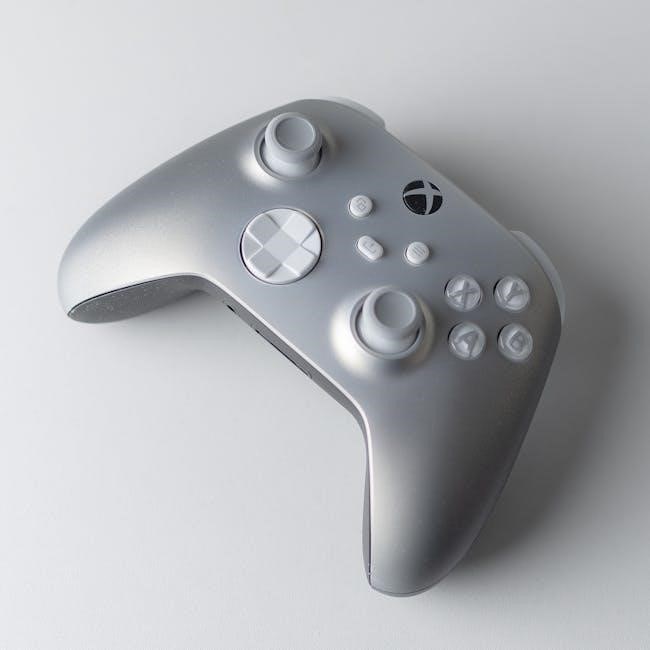
Understanding Your Aire Control Remote: A Comprehensive Guide
Welcome! This guide details everything you need to know about operating your Aire Control remote‚ ensuring optimal comfort and efficient climate management․
Aire Control remotes are designed to provide convenient and intuitive control over your air conditioning and heating systems․ These devices offer a user-friendly interface‚ allowing you to adjust settings from the comfort of your sofa or bed․
Modern Aire Control remotes go beyond simple temperature adjustments; they incorporate features like fan speed control‚ mode selection (cooling‚ heating‚ auto‚ dry)‚ timer functions‚ and sleep modes․ Understanding these features is key to maximizing your comfort and minimizing energy consumption․
This guide will walk you through every aspect of your Aire Control remote‚ from identifying its components to troubleshooting common issues․ We aim to empower you with the knowledge to fully utilize your remote’s capabilities and enjoy a perfectly climate-controlled environment․ Proper usage extends the life of your system!
Remote Control Components & Identification
Let’s familiarize ourselves with the key components of your Aire Control remote․ Typically‚ you’ll find a prominent power button‚ used to turn the unit on and off․ The temperature up/down buttons adjust the desired room temperature․ A mode button cycles through cooling‚ heating‚ auto‚ and dry settings․

Look for fan speed controls (low‚ medium‚ high‚ auto) and a swing mode button to direct airflow․ Many remotes include a timer button for scheduling operation and a sleep mode button for energy-saving comfort․ An LCD display shows the current settings․
The battery compartment is usually located on the back․ Identifying these components will help you navigate the following sections and understand how to effectively control your Aire Control system․ Remember to handle the remote with care!
Button Layout Overview
Examining the button arrangement‚ you’ll notice a logical grouping for ease of use․ The power button is often positioned in the upper corner for quick access․ Temperature adjustment buttons – typically up and down arrows – reside centrally‚ allowing intuitive control․ The mode selection buttons (Cool‚ Heat‚ Auto‚ Dry) are usually clustered together․
Fan speed controls (Low‚ Medium‚ High‚ Auto) are generally found below the mode buttons․ The swing function button is often represented by a fan icon with oscillating arrows․ Timer and Sleep mode buttons are frequently located towards the bottom of the remote․
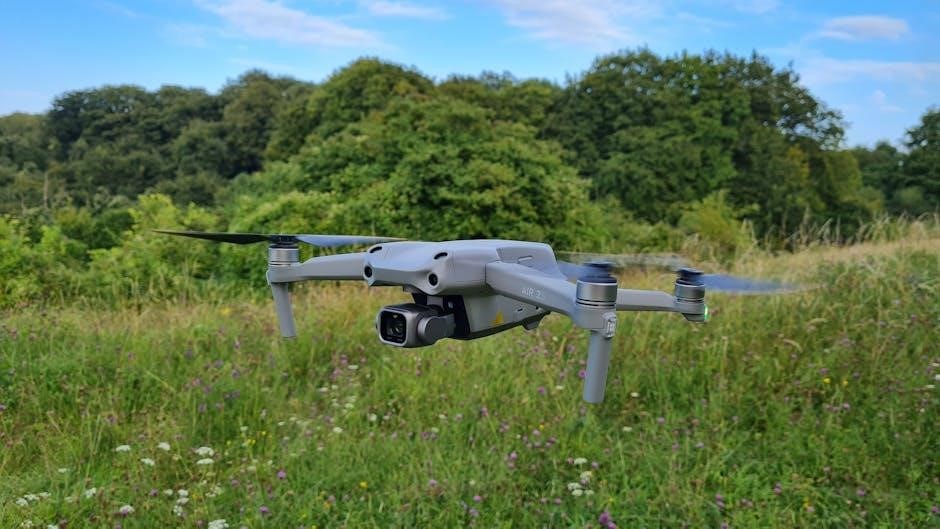
Some remotes feature a ‘Reset’ or ‘Clear’ button․ Familiarizing yourself with this layout will streamline operation and enhance your overall experience with your Aire Control system․ A quick glance should reveal the function of each button․
Indicator Lights & Their Meanings
Decoding the indicator lights is crucial for understanding your Aire Control’s status․ A steadily lit power indicator confirms the unit is on and receiving signals․ A flashing power light often signals a pairing issue or low battery․ The cooling or heating indicators illuminate when the corresponding mode is active․
A timer indicator shows that a schedule is set and running․ The ‘swing’ indicator confirms the airflow direction is oscillating․ Some remotes have an error indicator – typically a flashing red light – signaling a system malfunction requiring attention․
Pay close attention to these visual cues; they provide valuable feedback on the remote’s functionality and the Aire Control unit’s operation․ Refer to the specific light patterns in this guide for accurate interpretation․
Initial Setup & Pairing
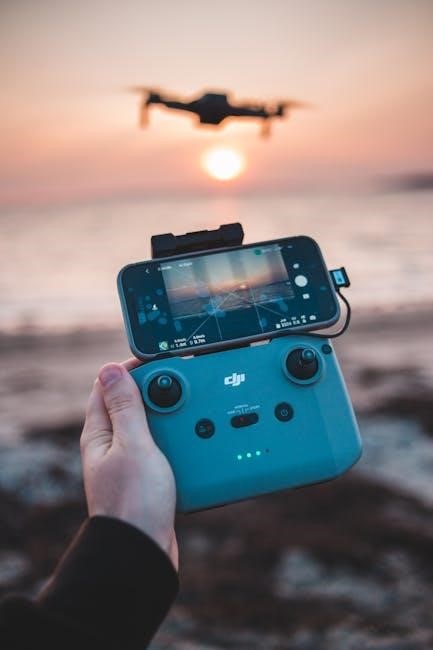
Before first use‚ ensure your Aire Control unit is powered on and within range of the remote․ The initial setup primarily involves pairing the remote to the unit‚ establishing communication for seamless control․ Most units enter pairing mode automatically upon initial power-up; consult your Aire Control’s main manual for specifics․
If automatic pairing fails‚ a manual pairing process is usually required․ This typically involves pressing and holding a designated ‘Pair’ or ‘Connect’ button on both the remote and the Aire Control unit simultaneously for several seconds․ A successful pairing is usually indicated by a confirmation signal – a beep or a change in the indicator lights․

Repeat the process if pairing fails initially․ Ensure no other similar devices are nearby‚ potentially causing interference․
Battery Installation & Replacement
Powering your remote requires correctly installed batteries․ Typically‚ Aire Control remotes utilize standard AAA or AA batteries – check the battery compartment for the correct type․ To install‚ gently slide off the battery cover‚ usually located on the back of the remote․ Insert the batteries‚ ensuring correct polarity (+ and -) as indicated within the compartment․
When replacing batteries‚ always use a fresh set of batteries of the same type․ Mixing old and new batteries‚ or different battery types‚ can cause malfunctions or damage the remote․ If the remote displays a low battery indicator or becomes unresponsive‚ replace the batteries immediately․
Dispose of used batteries responsibly‚ following local regulations for battery recycling․
Pairing the Remote with Your Aire Control Unit
Establishing a connection between your remote and Aire Control unit is crucial for operation․ Begin by ensuring your Aire Control unit is powered on․ On the remote‚ locate and press the “Pairing” or “Connect” button – its icon often resembles two arrows forming a circle․ Simultaneously‚ on the Aire Control unit itself‚ there’s usually a corresponding “Pairing” button; press and hold it․
The unit may display a pairing indicator‚ often a flashing light․ Continue holding the buttons until the Aire Control unit confirms a successful connection‚ typically with a beep or a solid indicator light․ If pairing fails‚ repeat the process‚ ensuring both buttons are pressed simultaneously and within close proximity (within 10 feet)․
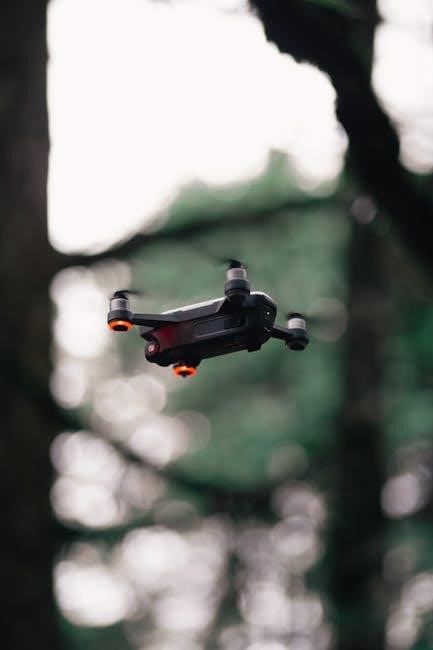
Basic Operation: Temperature Control
Controlling the temperature with your Aire Control remote is straightforward․ The primary buttons for temperature adjustment are typically marked with “+” and “-” symbols‚ or upward and downward arrows․ Pressing the “+” button increases the set temperature‚ while the “-” button decreases it․ The current set temperature is displayed prominently on the remote’s screen and mirrored on the Aire Control unit itself․
Observe the display to confirm your desired temperature is selected․ The remote allows for precise adjustments‚ often in one-degree increments․ Remember that the displayed temperature is the set point – the temperature the system aims to achieve‚ not necessarily the current room temperature․ Allow time for the system to adjust and reach the set temperature․
Adjusting the Temperature (Cooling)
When utilizing the cooling function‚ ensure your Aire Control unit is set to “Cool” mode (refer to the ‘Mode Selection’ section for details)․ Once in cooling mode‚ use the “-” button to lower the set temperature․ Each press will typically decrease the temperature by one degree Fahrenheit or Celsius‚ depending on your unit’s settings․ The remote display will reflect the new set point․

For optimal cooling‚ start with a slightly lower temperature than you anticipate needing‚ allowing the system to efficiently reach your desired comfort level․ Avoid drastically lowering the temperature‚ as this can strain the system and increase energy consumption․ Monitor the room temperature and adjust accordingly until you achieve your preferred cooling level․
Adjusting the Temperature (Heating)
To activate the heating function‚ first confirm your Aire Control unit is in “Heat” mode – consult the ‘Mode Selection’ section for guidance․ Once heating is engaged‚ employ the “+” button to raise the desired temperature․ Each press generally increases the temperature by one degree Fahrenheit or Celsius‚ contingent upon your unit’s configuration․ The remote’s display will clearly show the adjusted set point․
For efficient heating‚ begin by setting a temperature slightly above your current comfort level․ This allows the system to warm the room gradually․ Avoid excessively high temperature settings‚ as this can lead to energy waste and potential discomfort․ Continuously monitor the room temperature and fine-tune the setting until you reach your ideal warmth․
Fan Speed & Airflow Settings
Controlling airflow is crucial for personalized comfort․ Your Aire Control remote provides multiple fan speed options‚ typically indicated by buttons labeled “Fan Speed” or with icons representing varying airflow levels․ These commonly include Low‚ Medium‚ High‚ and Auto settings․ Lower fan speeds conserve energy and provide gentle circulation‚ ideal for quiet environments․
Higher speeds deliver more powerful airflow for rapid temperature adjustments․ “Auto” mode intelligently adjusts fan speed based on the difference between the set temperature and the room’s current temperature‚ optimizing both comfort and efficiency․ Experiment with different settings to discover what best suits your preferences and the specific needs of your space․ Remember‚ higher speeds may generate more noise․
Selecting Fan Speeds (Low‚ Medium‚ High‚ Auto)
To adjust fan speed‚ locate the “Fan” button on your Aire Control remote․ Pressing this button will cycle through the available options: Low‚ Medium‚ High‚ and Auto․ Each press typically advances to the next speed setting․ The currently selected speed is usually indicated on the remote’s display screen or the Aire Control unit itself․
Low speed provides a gentle breeze‚ Medium offers a balanced airflow‚ and High delivers maximum cooling or heating power․ Auto mode is recommended for consistent comfort; the unit automatically adjusts the fan based on temperature needs․ Observe the unit’s response to each setting to find your ideal balance between comfort and energy conservation․
Swing Mode: Directing Airflow
Utilize the swing function to distribute air more evenly throughout the room․ Locate the “Swing” button – often depicted as a series of curved arrows – on your Aire Control remote․ Pressing this button activates or deactivates the automatic horizontal or vertical louver movement․ Some models offer independent control of horizontal and vertical swing․
When enabled‚ the louvers will oscillate‚ directing airflow across a wider area․ This is particularly useful for larger rooms or when multiple occupants require cooling or heating․ You can often pause the swing at a desired angle by pressing the “Swing” button again during oscillation․ Experiment with swing mode to achieve optimal air circulation and personalized comfort․
Mode Selection: Cooling‚ Heating‚ Auto‚ Dry
Your Aire Control remote provides several operating modes to suit various environmental needs․ The “Mode” button cycles through these options: Cooling lowers the temperature‚ ideal for warm weather; Heating raises the temperature for colder conditions․ Auto mode intelligently selects between cooling and heating based on the set temperature and ambient room temperature․
The “Dry” mode (dehumidification) reduces humidity levels without significantly altering the temperature‚ perfect for damp environments․ Ensure the correct mode is selected for optimal performance and energy efficiency․ The currently active mode is typically indicated on the remote’s display and the Aire Control unit itself․ Selecting the appropriate mode ensures your comfort and minimizes energy consumption․
Advanced Features & Functions
Beyond basic operation‚ your Aire Control remote offers enhanced functionalities for personalized comfort․ Explore the Timer function to schedule operation‚ automatically turning the unit on or off at preset times‚ saving energy and ensuring a comfortable environment upon arrival․ Sleep Mode gradually adjusts the temperature overnight‚ optimizing comfort and reducing energy usage during sleep․
Some models include a “Turbo” or “Quick Cool/Heat” function for rapid temperature adjustments․ Additionally‚ certain remotes feature a “Follow Me” mode‚ utilizing a sensor within the remote to maintain the set temperature around your current location․ Refer to your specific model’s manual for a complete list of available advanced features and detailed instructions on their usage․
Timer Function: Setting Schedules
The Timer function allows you to program your Aire Control unit to automatically turn on or off at specific times․ Press the “Timer” button on your remote; the display will indicate the current time or a pre-set timer option․ Use the arrow buttons to adjust the hour and minute for the desired start or stop time․
Confirm your selection by pressing “Enter” or “Set”․ You can typically set multiple timers throughout the day․ Some remotes offer options for daily or weekly scheduling․ Ensure the clock on your Aire Control unit is accurately set for the timer to function correctly․ Refer to your unit’s manual for specific timer programming instructions‚ as procedures may vary slightly between models․
Sleep Mode: Optimizing Comfort & Energy Savings
Activate Sleep Mode by pressing the designated “Sleep” button on your Aire Control remote․ This feature gradually increases (or decreases‚ depending on the mode) the set temperature during the night‚ promoting comfortable sleep while conserving energy․ Typically‚ the temperature adjusts by 1-2 degrees Celsius (or Fahrenheit) per hour over a set period․
Sleep Mode duration is often pre-set‚ but some models allow customization․ The unit will automatically return to your previously set temperature after the sleep timer expires․ This mode is ideal for bedrooms‚ as it prevents excessive cooling or heating throughout the night‚ leading to significant energy savings and a more restful sleep environment․
Troubleshooting Common Issues
Encountering problems? This section addresses frequent issues․ If the remote isn’t responding‚ first check the batteries – replace them if necessary․ Ensure there’s a clear line of sight between the remote and the Aire Control unit‚ removing any obstructions․ If the temperature display is incorrect‚ verify the unit isn’t exposed to direct sunlight or heat sources․
For pairing issues‚ refer to the ‘Pairing the Remote’ section․ If the unit isn’t responding to temperature adjustments‚ ensure it’s in the correct mode (Cool‚ Heat‚ Auto)․ A quick power cycle of the Aire Control unit can often resolve minor glitches․ If problems persist‚ consult the full user manual or contact customer support․
Remote Not Responding
Is your remote failing to communicate? The most common cause is depleted batteries․ Replace them with fresh ones‚ ensuring correct polarity․ Next‚ verify line of sight – there shouldn’t be any obstacles blocking the signal between the remote and the Aire Control unit․ Try moving closer to the unit․
Check for interference from other electronic devices․ Occasionally‚ a simple reset of the remote can resolve the issue; consult your user manual for specific reset instructions․ If the problem continues‚ attempt to re-pair the remote with the Aire Control unit‚ following the instructions in the ‘Pairing’ section․ As a last resort‚ contact customer support for further assistance․
Incorrect Temperature Display

Seeing a temperature that doesn’t match reality? First‚ ensure the remote isn’t directly exposed to sunlight or a heat source‚ as this can affect its internal temperature sensor․ Allow the remote to stabilize in a typical room environment for approximately 30 minutes․
Verify the temperature scale (Celsius or Fahrenheit) is set correctly within the remote’s settings menu․ If the discrepancy persists‚ try resetting the remote to its factory defaults – refer to your user manual for instructions․ A significant and consistent error may indicate a faulty temperature sensor within the remote itself‚ requiring professional repair or replacement․ Contact customer support if the issue remains unresolved․
Remote Maintenance & Care
To ensure longevity and optimal performance‚ regularly clean your Aire Control remote with a soft‚ dry cloth․ Avoid using abrasive cleaners‚ solvents‚ or excessive moisture‚ as these can damage the surface and internal components․ Periodically check the battery compartment for any signs of corrosion and clean if necessary․
Store the remote in a cool‚ dry place when not in use‚ away from direct sunlight and extreme temperatures․ Avoid dropping the remote or subjecting it to impact‚ as this can cause internal damage․ Remove the batteries if the remote will be stored for an extended period to prevent leakage․ Proper care will help maintain reliable operation for years to come․
 canon mx922 instruction manual
  tooth implant post op instructions
  t shirt washing instructions
  instructions for conair steamer
  cookie care instructions
  jabba’s palace lego instructions
  bio bidet bb 2000 manual
  playground aron beauregard read online free pdf
  white and rodgers thermostat manual
  trails a and b pdf