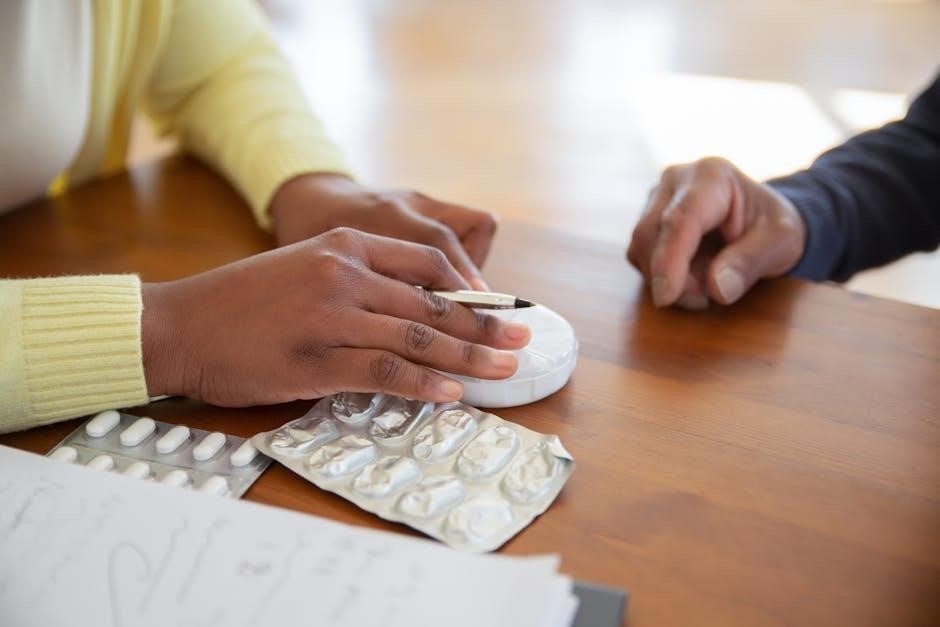
Couples Therapy Treatment Plan: A Comprehensive Guide
A structured plan, utilizing tools like PHQ-9 and GAD-7, fosters effective healing and growth for both partners, ensuring productive therapy sessions.
Regular reviews, after ten sessions, and follow-ups at three months, celebrate successes and reinforce ongoing relationship health strategies.
Creating a safe space allows open expression, understanding perspectives, and identifying conflict roots, even in seemingly healthy relationships.
Intensive weekend options and flexible online therapy provide accessible, tailored support for strengthening emotional connections and addressing issues.
Couples therapy serves as a crucial intervention for strengthening emotional bonds and navigating relationship challenges. It’s a collaborative process designed to create a secure environment where partners can openly communicate feelings and gain a deeper understanding of each other’s perspectives.
Even seemingly healthy relationships can benefit from therapy, as it proactively fortifies existing positive connections and addresses potential future issues before they escalate. The core aim is to identify the root causes of conflict and develop effective strategies for resolution.
A well-defined treatment plan, incorporating measurable objectives and regular progress reviews, is essential for long-term success and personal growth within the partnership. Online therapy offers flexible accessibility.
II. Assessment and Initial Evaluation
The initial evaluation is a cornerstone of effective couples therapy, beginning with a thorough gathering of the relationship’s history – understanding patterns, significant events, and current dynamics. This process informs the development of tailored treatment goals.
Individual psychological assessments, such as the PHQ-9 and GAD-7, are frequently utilized to identify and measure symptoms of depression and anxiety that may be impacting the relationship. Objective scoring provides a baseline for tracking progress.
Self-reported symptom reduction is a key metric, alongside measurable decreases in conflict frequency and severity, guiding the therapeutic journey.
A. Gathering Relationship History
A comprehensive relationship history is paramount, exploring the couple’s journey from initial attraction through present challenges. This involves understanding courtship, commitment decisions, and significant life events experienced together. Identifying recurring patterns of interaction, both positive and negative, is crucial.
Exploring past attempts at resolving conflicts reveals valuable insights into ineffective communication styles and ingrained behaviors. Understanding each partner’s family of origin provides context for current relationship dynamics and expectations.
This detailed history forms the foundation for collaboratively establishing realistic and measurable treatment goals.
B. Individual Psychological Assessments (PHQ-9, GAD-7)
Administering standardized assessments like the PHQ-9 (Patient Health Questionnaire-9) and GAD-7 (Generalized Anxiety Disorder 7-item scale) provides objective data regarding individual mental health. These tools screen for symptoms of depression and anxiety, which frequently co-occur with relationship distress.
Establishing baseline scores allows for tracking symptom reduction throughout therapy, demonstrating progress and treatment effectiveness. Objective measures, like quiz results, aid in insurance documentation and justify continued care.
Individual assessments inform the treatment plan, addressing underlying mental health concerns impacting the relationship.
III. Defining Treatment Goals
Collaboratively establishing clear, measurable treatment goals is paramount for successful couples therapy. These objectives should address both relationship dynamics and individual needs within the partnership. Goals might include reducing conflict frequency, improving communication skills, or increasing emotional intimacy.
Measurable objectives, such as a self-reported decrease in symptom severity (e.g., from daily to less than three times weekly), provide tangible benchmarks for progress. Regularly revisiting these goals – after ten sessions, for example – ensures the therapy remains focused and effective.

A. Establishing Measurable Objectives
Concrete, quantifiable objectives are crucial for tracking therapeutic progress. These aren’t simply vague aspirations; they’re specific targets. Examples include achieving a target score reduction on standardized assessments like the PHQ-9 or GAD-7, demonstrating symptom alleviation.
Self-reporting a decrease in the frequency or intensity of problematic behaviors – such as arguments or withdrawal – offers another measurable metric. Consistent engagement with individual self-care plans, like daily practice of a coping skill, also serves as a tangible objective.

B. Addressing Individual Needs within the Relationship
Effective couples therapy acknowledges that each partner brings unique experiences and vulnerabilities to the dynamic. Addressing these individual needs isn’t about detracting from the “couple” unit, but rather strengthening it. Therapy provides a space to explore personal histories, anxieties, and depressive symptoms impacting the relationship.
Integrating self-care plans tailored to individual needs – managing anxiety or depression – directly benefits the partnership. Acknowledging and validating each partner’s emotional landscape fosters empathy and understanding, paving the way for healthier interaction.
IV. Core Therapeutic Approaches
Several evidence-based approaches guide couples therapy, each offering unique tools for healing and growth. Gottman Method Therapy focuses on building friendship, managing conflict, and creating shared meaning. Emotionally Focused Therapy (EFT) centers on understanding and reshaping emotional bonds, fostering secure attachment.
Intensive weekend therapy, like the Gottman approach, can accelerate progress by providing focused, immersive experiences. These methods aim to create a safe space where partners can openly express feelings and identify the root causes of conflicts, ultimately fortifying positive connections.
A. Gottman Method Therapy
The Gottman Method, rooted in decades of research, provides a roadmap for strengthening relationships. It emphasizes building a “Sound Relationship House” with foundations of friendship, fondness, and admiration. Conflict management skills are honed through learning to manage disagreements constructively, avoiding harsh startups and fostering repair attempts.
Intensive weekend workshops, like those offered by Couples Therapy Inc., accelerate this process. Therapists guide couples in understanding their bids for connection and responding effectively, ultimately creating shared meaning and a deeper emotional bond.
B. Emotionally Focused Therapy (EFT)
Emotionally Focused Therapy (EFT) centers on understanding the emotional bonds between partners. It views distress as arising from insecure attachment patterns and aims to reshape these into secure connections. EFT helps couples identify negative interaction cycles and explore the underlying emotions driving these patterns.
Therapists facilitate vulnerability and emotional expression, creating a safe space for partners to reconnect. By accessing and sharing deeper emotions, couples can build trust, empathy, and a more fulfilling relationship, fostering lasting emotional intimacy.
V. Session Structure and Format
Typical couples therapy sessions generally last 50-60 minutes, occurring weekly or bi-weekly, depending on the couple’s needs and the intensity of their issues. Initial sessions focus on assessment and goal setting, while subsequent sessions delve into specific concerns. Therapists employ a variety of techniques, adapting to the chosen therapeutic approach.
Intensive weekend therapy options offer a concentrated approach, accelerating progress for couples seeking rapid change; Online therapy provides flexibility and accessibility, catering to busy schedules and geographical limitations, ensuring consistent engagement.
A. Typical Session Length and Frequency
Standard couples therapy sessions commonly span 50 to 60 minutes, providing sufficient time for meaningful discussion and intervention. The frequency is usually weekly, allowing for consistent progress and the application of learned skills. However, bi-weekly sessions may be appropriate for couples with less acute issues or as therapy progresses.

Initial sessions often prioritize assessment, while later sessions focus on specific goals. Regular attendance is crucial, fostering momentum and strengthening the therapeutic alliance. Flexibility is considered based on individual needs and schedules.
B. Integrating Intensive Weekend Therapy Options
Intensive weekend therapy offers a concentrated approach, accelerating progress for couples facing significant challenges. These immersive experiences, like the Gottman Method’s approach, typically involve 12-18 hours of therapy over two to three days. They are best suited for motivated couples committed to deep exploration and change.
Weekend intensives can be a standalone intervention or integrated into ongoing weekly sessions. They provide tools and skills for immediate application, fostering lasting improvements. Careful screening is essential to ensure suitability and safety.
VI. Addressing Common Relationship Issues
Couples often seek therapy due to communication breakdowns and persistent conflict. Therapy provides a safe space to learn active listening and assertive expression. Financial disagreements are another frequent source of tension, requiring collaborative planning and transparent budgeting.
Addressing these issues involves identifying underlying needs and patterns. Therapists facilitate constructive dialogue, helping couples navigate sensitive topics. Establishing shared goals and compromises is crucial for resolution and strengthening the relationship’s foundation.
A. Communication Breakdown & Conflict Resolution
Ineffective communication fuels most relationship conflicts. Therapy focuses on teaching couples active listening skills – truly hearing and understanding each other’s perspectives. Assertive expression, conveying needs without blame, is also key.
Techniques like “I” statements help de-escalate arguments. Identifying negative communication patterns (criticism, defensiveness, stonewalling) is vital. Learning conflict resolution strategies – compromise, collaboration – builds healthier interactions and fosters mutual respect.
B. Financial Disagreements & Planning
Financial stress is a significant relationship strain. Therapy provides a neutral space to discuss money openly and honestly, addressing differing values and spending habits. Joint financial planning – budgeting, saving, debt management – becomes a collaborative process.
Identifying underlying emotional connections to money (security, control) is crucial. Establishing clear financial goals and boundaries reduces conflict. Regularly reviewing progress (after ten sessions, for example) ensures accountability and shared financial well-being.
VII. Monitoring Progress and Evaluation
Consistent evaluation is vital to ensure therapy effectiveness. Utilizing objective measures like the PHQ-9 and GAD-7 tracks individual symptom reduction, while self-reported symptom frequency provides valuable insight.
After ten sessions, a comprehensive review of established goals assesses progress and identifies areas needing adjustment. Measurable objectives – decreased conflict, improved communication – are revisited. Celebrating successes reinforces positive change and motivates continued engagement in the therapeutic process.
A. Regular Review of Goals (After 10 Sessions)
After ten sessions, a dedicated review assesses progress toward established objectives. This involves revisiting measurable goals – such as reduced conflict frequency or improved communication skills – initially defined in the treatment plan.
Financial planning progress is specifically evaluated, addressing any lingering concerns. Self-reported symptom reduction, alongside objective measures, informs adjustments to the therapeutic approach. This mid-point evaluation ensures the plan remains relevant and effective, maximizing the couple’s investment in therapy.
B. Utilizing Self-Reported Symptom Reduction
Tracking self-reported symptom reduction is crucial for gauging therapeutic impact. Clients document changes in the frequency and severity of distressing experiences – anxiety, depression, or relationship-specific issues.
Measurable decreases, like shifting from daily to less than three times weekly occurrences, provide tangible evidence of progress. Integrating self-care plans, with daily adherence, further supports symptom management. This subjective data, combined with objective assessments (PHQ-9, GAD-7), offers a holistic view of the couple’s well-being.

VIII. Termination and Follow-Up
The final session is a dedicated space for reviewing achieved goals and celebrating successes, acknowledging the couple’s hard work and growth throughout therapy. A comprehensive revisit of the treatment plan ensures all key areas have been addressed.
Scheduling a follow-up session, typically around three months post-termination, allows for progress evaluation and addresses any emerging challenges. This proactive step reinforces learned skills and supports sustained relationship health, solidifying positive changes.
A. Final Session Review and Celebration of Successes
The culminating session centers on a thorough review of the initial treatment goals, meticulously assessing the progress made by the couple throughout their therapeutic journey. Acknowledging and celebrating achieved milestones is paramount, reinforcing positive changes and building confidence.
This session provides a safe space to reflect on challenges overcome, skills acquired, and the strengthened emotional connection. It’s a moment to validate their efforts and prepare for continued growth independently.
B. Scheduling Follow-Up Sessions (3 Months)
A follow-up session, scheduled approximately three months post-termination, serves as a crucial touchstone for reinforcing gains and addressing any emerging challenges. This proactive step demonstrates continued support and allows for course correction if needed.
The session revisits progress made since the final session, evaluating the sustained application of learned skills and the overall health of the relationship. It’s an opportunity to solidify positive patterns and prevent relapse into previous dynamics.
IX. Creating a Safe Therapeutic Space
Establishing a secure and non-judgmental environment is paramount for effective couples therapy. This space encourages open expression of feelings, vulnerabilities, and perspectives without fear of retribution or criticism. Confidentiality is strictly maintained, fostering trust and allowing partners to explore sensitive issues.
The therapist’s role is to facilitate respectful communication, mediate conflicts, and ensure both individuals feel heard and validated. A safe space is foundational for identifying root causes of conflict and fortifying positive connections.
X. The Role of Online Therapy
Online therapy offers a flexible and accessible alternative to traditional in-person sessions, particularly beneficial for couples with scheduling constraints or geographical limitations. It provides a convenient platform for consistent engagement with the therapeutic process, supporting long-term relationship health and personal growth.
Utilizing secure video conferencing, online therapy maintains confidentiality while delivering effective interventions. It’s a valuable tool for strengthening emotional connections and addressing relationship problems, mirroring the benefits of face-to-face counseling.
XI. Strengthening Emotional Connections

Fostering emotional intimacy is central to successful couples therapy, creating a safe space for vulnerability and open communication. Therapeutic interventions focus on enhancing empathy, understanding each partner’s perspectives, and rebuilding trust eroded by conflict or distance.

Techniques aim to fortify already positive connections and prevent future issues, even within seemingly healthy relationships. Regular sessions encourage partners to express feelings, actively listen, and rediscover shared values, ultimately deepening their bond.
XII. Identifying Root Causes of Conflict
Uncovering the underlying issues driving relationship distress is paramount. Couples therapy facilitates exploration of past experiences, attachment styles, and individual vulnerabilities contributing to recurring patterns of conflict. This process moves beyond surface-level arguments, delving into deeper emotional needs and unmet expectations.
Identifying these root causes allows for targeted interventions, promoting understanding and empathy between partners. A safe therapeutic environment encourages open expression, leading to collaborative problem-solving and lasting change.
XIII. Fortifying Positive Connections
Beyond addressing conflict, therapy actively cultivates positive interactions and emotional intimacy. This involves identifying and reinforcing existing strengths within the relationship, alongside fostering new opportunities for connection. Techniques focus on enhancing appreciation, affection, and shared activities, rebuilding a foundation of trust and enjoyment.
Strengthening these positive bonds serves as a buffer against future stressors, promoting resilience and long-term relationship satisfaction. Even healthy relationships benefit from intentional efforts to nurture and deepen emotional closeness.
XIV. Depression and Anxiety in Couples Therapy
When individual mental health challenges like depression or anxiety impact the relationship, integrated treatment is crucial. This involves acknowledging and addressing each partner’s symptoms while exploring how they influence the dynamic. Utilizing assessments like the PHQ-9 and GAD-7 provides objective measures of progress.
Integrating self-care plans – daily actions – becomes a key therapeutic goal, fostering individual well-being and reducing relational strain. Therapy aims to support both partners in navigating these challenges, strengthening their connection amidst adversity.
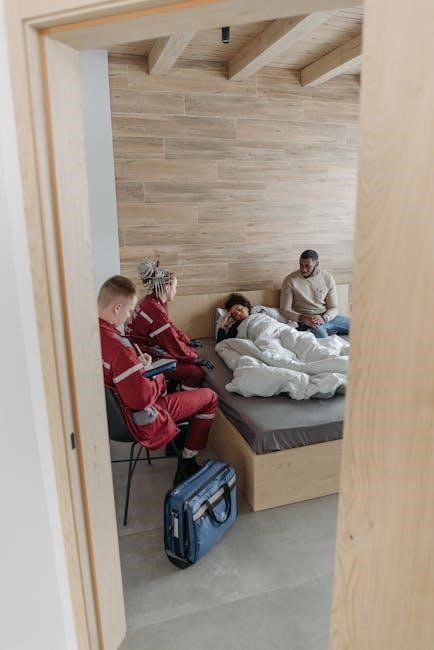
A. Integrating Self-Care Plans

Self-care plans are vital components, addressing individual needs within the couples therapy framework. These plans, tailored to each partner, aim to mitigate symptoms of depression and anxiety, fostering emotional resilience. A measurable goal might be consistent daily engagement with a chosen self-care activity.
Examples include mindfulness exercises, physical activity, or engaging in enjoyable hobbies. Regularly reviewing adherence to these plans during sessions reinforces their importance, promoting individual well-being and positively impacting the relationship dynamic.

XV. Addressing Individual Symptoms
While couples therapy focuses on relational dynamics, acknowledging and addressing individual symptoms is crucial for overall progress. Symptoms like depression and anxiety significantly impact the relationship, necessitating a dual approach. Utilizing assessments like the PHQ-9 and GAD-7 provides objective data to track symptom reduction.
Individual work, alongside couples sessions, can involve exploring personal history and developing coping mechanisms. Integrating self-care plans further supports individual well-being, ultimately strengthening the couple’s connection.
XVI. Insurance Considerations & Documentation
Navigating insurance coverage for couples therapy requires meticulous documentation and clear treatment goals. Insurance providers often necessitate measurable objectives, such as target scores on standardized assessments like the PHQ-9 or GAD-7, to justify reimbursement.
Detailed session notes outlining progress towards these goals are essential. Documentation should also include self-reported symptom reduction and adherence to self-care plans. Understanding specific policy requirements and pre-authorization procedures is vital for smooth claim processing.
XVII. Treatment Plan Flexibility
A robust couples therapy treatment plan isn’t rigid; it must adapt to the evolving needs of the partners. Regular progress reviews, particularly after approximately ten sessions, are crucial for reassessing goals and strategies. Unexpected challenges or shifts in individual circumstances may necessitate adjustments.
Flexibility also extends to therapeutic approaches; integrating elements from different modalities, like Gottman or EFT, can enhance effectiveness. Maintaining open communication with the couple ensures the plan remains relevant and supportive of their journey.
XVIII. Ongoing Strategies for Relationship Health
Sustaining relationship health post-therapy requires proactive effort and consistent application of learned skills. Regularly scheduled “check-ins” – brief, dedicated conversations – foster open communication and prevent issues from escalating. Continuing self-care practices, addressing individual needs, remains vital.
Revisiting conflict resolution techniques and actively fortifying positive connections strengthens the bond. Scheduling follow-up sessions, even months after termination, provides ongoing support and reinforces progress. Remembering the tools gained empowers couples to navigate future challenges.
 trails a and b pdf
  rounding decimals worksheet pdf
  jesus in the talmud pdf
  what stock trade in conjunction with qqq options pdf
  the very hungry caterpillar printables pdf free
  ged social studies practice test pdf