
The Theology of the Body, a profound exploration by Pope Saint John Paul II, offers a rich understanding of human sexuality and its divine purpose.
JUVID, on June 15th, will host a workshop exploring this vital topic, inviting deeper reflection on the connection between body, sex, and God.
Historical Context of the Theology of the Body
The genesis of the Theology of the Body lies in Pope John Paul II’s series of 129 Wednesday audiences delivered between 1979 and 1984. These weren’t initially conceived as a systematic theology, but rather as pastoral reflections on key passages from Genesis and the letters of St. Paul.
The late 20th century witnessed a significant cultural shift – the Sexual Revolution – challenging traditional understandings of marriage, sexuality, and the human person. John Paul II recognized a critical need to articulate a positive and coherent Catholic vision responding to these changes.
JUVID’s upcoming workshop, “Body, Sex and God?”, reflects this ongoing need for accessible engagement with the Theology of the Body, offering a space for exploration and understanding within this historical context. The work arose from a desire to reclaim the beauty and truth of the human body.
John Paul II’s Motivation for Developing the Theology
Pope John Paul II was deeply motivated by a pastoral concern for the spiritual and emotional well-being of individuals navigating a rapidly changing cultural landscape. He observed a growing disconnect between faith and lived experience, particularly concerning sexuality and relationships.
He believed a profound misunderstanding of the body’s meaning had contributed to widespread loneliness, exploitation, and a diminished sense of human dignity. His aim wasn’t to impose restrictions, but to reveal the inherent beauty and purpose woven into our very being.
JUVID’s workshop, “Body, Sex and God?”, embodies this same pastoral heart, seeking to make the Theology of the Body accessible. John Paul II sought to offer a path towards authentic love and fulfillment, rooted in a proper understanding of God’s design.
Core Principles of Theology of the Body
Central to this theology is recognizing the inherent dignity of every person, created in God’s image, and understanding the body’s role in expressing love.
The Dignity of the Human Person
At the heart of the Theology of the Body lies the unwavering affirmation of the intrinsic dignity of every human person. Pope Saint John Paul II consistently emphasizes that this dignity isn’t earned, but is inherent to our very being, bestowed upon us by our Creator.
This dignity isn’t limited to the spiritual or intellectual aspects of our nature; it profoundly encompasses our bodies. The body isn’t seen as merely a physical instrument, but as an essential part of who we are, capable of expressing love and revealing God’s image.
Understanding this foundational principle is crucial. It challenges societal views that reduce individuals to objects or solely focus on physical gratification. Recognizing inherent worth demands respect for oneself and others, fostering a culture of love and genuine encounter. JUVID’s upcoming workshop, exploring “Body, sex and God?”, aims to deepen this understanding.
The Meaning of the Body as a Language of Love
Pope Saint John Paul II reveals the body isn’t simply a biological entity, but a powerful and eloquent language of love. It’s designed for self-gift, communication, and expressing the profound connection between persons.
This language transcends mere physical attraction; it encompasses emotional, spiritual, and intellectual dimensions. The body’s capacity for expressing tenderness, fidelity, and fruitfulness points to a deeper reality – the call to total self-donation.
Misunderstandings arise when this language is distorted or reduced to purely physical terms. True love, as revealed through the body, always affirms the dignity of the other person. JUVID’s workshop on June 15th, titled “Body, sex and God?”, will delve into this beautiful and often misunderstood aspect of human existence, offering a path towards authentic connection.
The Nuptial Meaning of the Body

Central to the Theology of the Body is the concept of the “nuptial meaning of the body.” Pope Saint John Paul II explains that the human body is inherently oriented towards gift and union, mirroring the loving relationship between Christ and the Church.
This isn’t limited to marital expression; it’s a fundamental truth about our being. Every expression of love, even in friendship, participates in this nuptial reality, though imperfectly. The body speaks of a longing for total self-gift and lasting commitment.
Understanding this meaning is crucial for navigating relationships and sexuality with integrity. JUVID’s upcoming workshop on June 15th, “Body, sex and God?”, promises to unpack this profound concept, offering insights into living a fully human and authentically loving life.

Understanding the Four Main Themes
The Theology of the Body reveals God’s design for love, desire, and redemption, explored through marriage, chastity, and the body’s inherent dignity.
JUVID’s workshop on June 15th will delve into these core ideas.
God’s Plan for Marriage and Family
Central to the Theology of the Body is the understanding that God created humanity for communion – a loving, self-giving relationship mirroring the Trinity. Marriage, therefore, isn’t merely a social construct, but a sacred vocation reflecting this divine plan.
John Paul II emphasizes that the marital act is specifically ordered towards procreation and the mutual love of spouses, intrinsically linked and inseparable. This isn’t a restrictive view, but one that elevates the dignity of both sexuality and family life.
JUVID’s upcoming workshop, scheduled for June 15th, will explore how this theological framework informs a deeper appreciation for the beauty and purpose of marriage and the family unit, offering a counter-cultural perspective on these foundational institutions.
The Experience of Desire and its Proper Ordering
The Theology of the Body doesn’t shy away from acknowledging the powerful force of human desire, but it insists on understanding its origin and ultimate fulfillment. Desire, according to John Paul II, isn’t simply a biological drive, but a longing for the infinite – a yearning for union with God.
This longing finds its proper expression within the context of chaste love, where desire is welcomed, respected, and directed towards genuine communion. The body itself becomes a sign pointing towards this deeper spiritual reality.
JUVID’s workshop on June 15th will delve into how this theological understanding can help individuals navigate the complexities of desire, fostering a healthy and integrated approach to sexuality and relationships.
The Call to Chastity and Virtue
Chastity, within the framework of the Theology of the Body, isn’t presented as repression, but as liberation. It’s the virtue that allows us to rightly order our desires and to love authentically, respecting both ourselves and others;
This involves recognizing the inherent dignity of the human person and resisting the objectification of sexuality. Virtue, cultivated through prayer and self-discipline, empowers us to live in accordance with God’s plan for love and relationships.
JUVID’s upcoming workshop, scheduled for June 15th, will explore how embracing chastity and virtue can lead to greater freedom, joy, and fulfillment in all aspects of life, particularly within the context of relationships.
The Redemption of the Body through Christ

Central to the Theology of the Body is the understanding that Christ’s redemption isn’t limited to the soul, but extends to the entire person – body and soul. The Incarnation affirms the inherent goodness of the material world, including our bodies, which are created in God’s image.
Through Christ’s sacrifice, our bodies are offered the possibility of being transformed and healed from the wounds of sin. This redemption allows us to experience a deeper union with God and with one another, expressed through authentic love.
JUVID’s workshop on June 15th will delve into how this redemptive power impacts our understanding of sexuality and calls us to a life of holiness and grace.
The Theology of the Body and Sexuality
This framework profoundly shapes our understanding of sexuality, viewing it not merely as physical, but as an expression of love and a path to holiness.
JUVID’s workshop explores this connection.
Addressing Contemporary Sexual Issues
The Theology of the Body offers a compelling response to prevalent contemporary sexual issues, providing a framework rooted in the inherent dignity of the human person and God’s original plan.
It directly confronts the pervasive cultural narratives surrounding sex, often detached from love and commitment, offering a counter-cultural vision of authentic human relationships.
JUVID’s upcoming workshop, “Body, Sex and God?”, directly engages with these complex topics, providing a space for thoughtful discussion and exploration of the Theology’s insights.
This approach challenges the commodification of sexuality and promotes a deeper understanding of its sacredness, offering guidance for navigating a world often characterized by confusion and exploitation.
The Theology doesn’t shy away from difficult questions, but rather invites individuals to embrace a more fulfilling and virtuous expression of their sexuality.
The Difference Between Eros and Agape
Pope Saint John Paul II, within the Theology of the Body, meticulously distinguishes between eros and agape, two fundamental forms of love often misunderstood in contemporary society.
Eros, a passionate and often self-centered desire, seeks gratification and fulfillment through another person. While not inherently negative, it requires proper ordering and integration.
Agape, conversely, is a selfless, unconditional love that wills the good of the other, mirroring God’s love for humanity. It’s a gift of self, not a demand for satisfaction.
JUVID’s workshop, “Body, Sex and God?”, will likely explore this crucial distinction, highlighting how authentic love requires the elevation of eros within the context of agape.
True fulfillment, according to the Theology, arises when desire is directed towards genuine communion and mutual self-giving, rather than mere personal pleasure.
The Importance of Responsible Parenthood
Pope Saint John Paul II’s Theology of the Body emphasizes that procreation is not the sole purpose of marriage, but a vital expression of love within a committed union.
Responsible parenthood, therefore, requires openness to life, coupled with a prudent and loving discernment of family size, considering the couple’s circumstances.
This isn’t simply about limiting births, but about embracing parenthood with intentionality and a willingness to nurture children in a loving environment.
JUVID’s upcoming workshop, “Body, Sex and God?”, will undoubtedly address this topic, exploring the ethical considerations surrounding family planning.
The Theology calls for a rejection of both reckless abandon and selfish control, advocating for a balanced approach rooted in love and respect for human life.
Practical Applications of Theology of the Body
Applying the Theology of the Body transforms relationships, fostering authentic love and respect. JUVID’s workshop on June 15th will explore these life-changing principles;
Dating and Courtship
The Theology of the Body profoundly reshapes our understanding of dating and courtship, moving beyond mere physical attraction to recognize the inherent dignity of each person as a child of God.
It encourages a deliberate and respectful approach, prioritizing genuine connection and the mutual desire to grow in virtue. Rather than viewing dating as a casual exploration, it presents it as a discernment process – a journey to discover if God is calling two individuals towards the vocation of marriage.
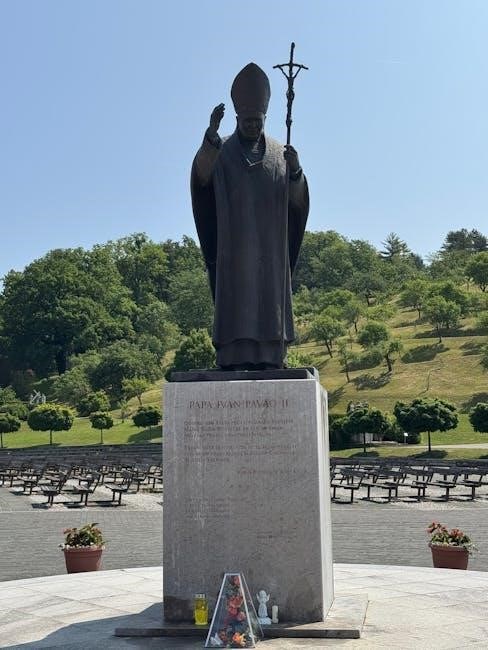
JUVID’s upcoming workshop on June 15th will delve into these principles, offering practical guidance on building relationships rooted in truth, love, and a shared commitment to living out God’s plan. This framework emphasizes seeing the other person as a unique and irreplaceable individual, created in His image.
Marriage Preparation
The Theology of the Body provides a robust foundation for marriage preparation, shifting the focus from logistical planning to a deeper understanding of the sacramental nature of marriage itself.
It reveals marriage not simply as a social contract, but as a visible sign of God’s love – a total and fruitful union reflecting the relationship between Christ and the Church. Preparation, therefore, isn’t merely about premarital counseling, but about cultivating a shared understanding of this profound vocation.
JUVID’s workshop on June 15th will explore how these principles can inform a more meaningful preparation process, emphasizing the importance of spiritual growth, communication, and a commitment to lifelong love and fidelity. Understanding the nuptial meaning of the body is central to this preparation.
Living a Chaste Life
The Theology of the Body reframes chastity, not as mere abstinence, but as a positive virtue – a disciplined freedom that allows us to authentically love.
It challenges the modern misconception that sexuality is solely about gratification, revealing its inherent connection to self-gift and the total offering of oneself to another. Chastity, within this framework, is about ordering desire towards true goodness and beauty.
JUVID’s upcoming workshop on June 15th will delve into how these principles can be practically applied to daily life, fostering a deeper understanding of the call to virtue. The Teología del Cuerpo offers a path to integrating sexuality within a life of faith and authentic love, moving beyond societal pressures.
Resources for Studying Theology of the Body
Exploring the Theology of the Body requires dedicated study; JUVID’s June 15th workshop is a great start, alongside available texts and guides.
Official Texts and Translations
Accessing the definitive texts of Pope Saint John Paul II’s Theology of the Body is crucial for accurate understanding. The original Polish texts are the source, but reliable translations are essential for wider study.

Currently, several English translations exist, each with varying degrees of fidelity to the original. Careful consideration should be given to the translator’s approach and theological perspective.
While a readily available, free “pdf” of the complete, officially endorsed translation can be difficult to locate, resources like the Vatican website and reputable Catholic publishers often offer excerpts or individual sections. JUVID’s workshop on June 15th likely references specific, recommended translations.
Be cautious of unofficial or incomplete PDFs circulating online, as they may contain errors or misinterpretations. Prioritize verified sources for a solid foundation in this important theological work.
Recommended Commentaries and Study Guides
Navigating Pope Saint John Paul II’s Theology of the Body can be challenging; commentaries and study guides offer valuable support. While searching for a “pdf” of the core text is common, supplemental materials unlock deeper insights.
Several authors provide accessible explanations of the complex themes. Manuela Dunn-Maselli’s works are frequently recommended, offering clear analyses of each section. Christopher West’s resources, including his popular talks and writings, are also widely used.
These guides help bridge the gap between the original text and contemporary understanding, clarifying nuanced concepts. JUVID’s workshop on June 15th may suggest specific resources.
Look for guides that contextualize the Theology of the Body within broader Catholic thought and address common questions or objections. They enhance comprehension and facilitate personal application.
Online Resources and Websites (JUVID example)
Numerous online resources support the study of Theology of the Body, though direct “pdf” downloads of the complete text may be limited due to copyright. Instituto Juntos por la Vida (JUVID) stands out as a key provider of Spanish-language materials and workshops, including one scheduled for June 15th.
Websites like TheologyOfTheBody.net offer articles, talks, and study materials. The Pope John Paul II Cultural Center also provides resources, though some may require purchase.
Be cautious when downloading materials; ensure sources are reputable and aligned with authentic Catholic teaching. JUVID’s website is a reliable starting point for Spanish speakers.
Online forums and discussion groups can foster community and facilitate learning, but discernment is crucial. Prioritize official or recommended resources for accurate understanding.
The Theology of the Body and Culture
Exploring Pope John Paul II’s teachings, like those discussed in JUVID’s June 15th workshop, offers a counter-cultural perspective on love and sexuality.
Responding to the Sexual Revolution
The Theology of the Body emerges as a thoughtful response to the seismic shifts of the Sexual Revolution, offering a vision rooted in the inherent dignity of the human person.
Pope Saint John Paul II, recognizing the cultural upheaval, sought to re-establish a coherent understanding of love, sexuality, and the body – concepts often fragmented or distorted by prevailing ideologies.
JUVID’s upcoming workshop on June 15th, titled “Body, Sex and God?”, exemplifies this ongoing effort to present the Theology of the Body as a relevant and compelling alternative.
It challenges the notion of sex as purely recreational or detached from relational meaning, instead emphasizing its profound connection to self-gift, commitment, and the opening to new life.
This isn’t a rejection of freedom, but a call to authentic freedom – one informed by truth and oriented towards genuine human flourishing.
The Theology of the Body’s Relevance Today
Despite being delivered decades ago, Pope Saint John Paul II’s Theology of the Body resonates powerfully with contemporary challenges surrounding relationships, identity, and meaning.
In a culture saturated with fleeting connections and often-confused messages about sexuality, its emphasis on the inherent dignity of the person and the nuptial meaning of the body offers a vital counter-narrative.
JUVID’s workshop on June 15th, “Body, Sex and God?”, demonstrates the continued need for accessible exploration of these profound teachings.
The Theology of the Body provides a framework for understanding desire, not as a mere impulse, but as a longing for ultimate fulfillment – a longing only God can truly satisfy.
It’s a call to live authentically, embracing our bodies as integral to our identity and capable of expressing profound love.
Challenges and Criticisms of the Theology of the Body
While profoundly influential, the Theology of the Body isn’t without its challenges and criticisms. Some find its length and philosophical depth daunting, requiring dedicated study to fully grasp its nuances.
Others critique its traditional views on marriage and sexuality, perceiving them as incompatible with modern understandings of relationships and individual autonomy.

Accessibility remains a hurdle; despite increasing availability, resources like the “libro teología del cuerpo juan pablo ii pdf” can be difficult to navigate for newcomers.
JUVID’s upcoming workshop on June 15th, “Body, Sex and God?”, aims to bridge this gap, offering a more approachable introduction to these complex ideas.
Critics also question its applicability in diverse cultural contexts, arguing for a need for nuanced interpretations.
 textbook filetype:pdf
  playground aron beauregard read online free pdf
  trails a and b pdf
  rounding decimals worksheet pdf
  jesus in the talmud pdf
  what stock trade in conjunction with qqq options pdf
  west of dead trophy guide
  libro teología del cuerpo juan pablo ii pdf
  east texas planting guide 2024