East Texas Planting Guide 2024: An Overview
East Texas gardening thrives with careful planning! This guide details optimal planting times, considering the region’s unique climate and soil conditions for successful harvests.
Understanding East Texas Climate Zones
East Texas experiences a humid subtropical climate, characterized by hot, humid summers and mild winters. This diverse region isn’t uniform; climate variations significantly impact gardening success. Understanding these zones is crucial for selecting appropriate plants and timing planting schedules. Generally, East Texas sees ample rainfall, averaging 45 to 60 inches annually, distributed fairly evenly throughout the year. However, periods of drought can occur, necessitating irrigation strategies.
The region’s proximity to the Gulf of Mexico contributes to its humidity and relatively warm temperatures, even during colder months. This extended growing season allows for multiple harvests, but also presents challenges related to pest and disease pressure. Microclimates exist within East Texas, influenced by elevation, proximity to water bodies, and forest cover. These localized conditions can create pockets with slightly different temperature ranges and humidity levels, impacting plant performance. Careful observation of your specific garden location is key.
Hardiness Zones in East Texas
East Texas spans several USDA Plant Hardiness Zones, primarily 8a, 8b, and 9a. Zone 8a, with minimum winter temperatures of 10°F to 15°F, covers the northernmost areas. Moving south, Zone 8b (15°F to 20°F) is prevalent across much of the region, offering a slightly longer growing season. The southernmost portions of East Texas fall into Zone 9a (20°F to 25°F), allowing for cultivation of more tender, subtropical plants.
Knowing your specific hardiness zone is vital when choosing plants. It indicates which plants are most likely to survive the winter in your location. However, hardiness zones are just a guideline; microclimates within your garden can create warmer or colder pockets. Factors like wind exposure, sun orientation, and proximity to buildings can influence local temperatures. Always consider these factors alongside the hardiness zone when selecting plants to ensure their long-term survival and thriving in your East Texas garden.
Soil Types and Preparation
East Texas soils are diverse, ranging from sandy loams to heavy clay. Many areas feature acidic soils, a legacy of the region’s pine forests. Before planting, a soil test is crucial to determine pH and nutrient levels. Amend the soil based on test results; adding compost is almost universally beneficial, improving drainage in clay soils and water retention in sandy soils.
For clay soils, incorporate generous amounts of organic matter like compost, shredded leaves, or aged manure. This breaks up the compacted structure, allowing for better root penetration and aeration. Sandy soils benefit from organic matter to increase water-holding capacity and provide nutrients. Raised beds are an excellent option for improving drainage and soil quality, particularly in areas with heavy clay. Proper soil preparation is foundational for a successful East Texas garden, ensuring healthy plant growth and abundant yields.
Vegetable Planting Calendar
East Texas enjoys a long growing season! This calendar outlines optimal planting times for various vegetables, categorized by season – spring, summer, and fall – for maximum yield.
Spring Planting (February ⎯ April)
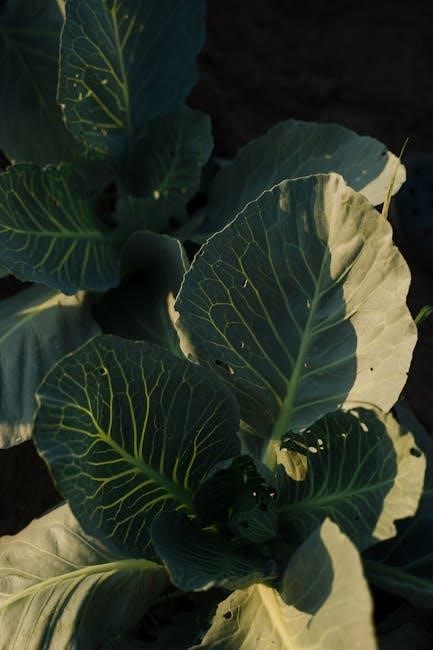
Spring in East Texas is a vibrant time for gardeners! As the threat of hard freezes diminishes, focus on cool-season vegetables. February is ideal for planting potatoes, onions, and garlic. March brings opportunities for leafy greens like spinach, lettuce, and kale, alongside root vegetables such as radishes and carrots. Peas and broccoli also thrive when planted early in the spring.
As April arrives, you can begin to introduce some warm-season crops, but it’s often best to start these indoors to get a head start. Consider starting tomato, pepper, and eggplant seeds indoors now for transplanting later. Remember to harden off seedlings before transplanting them into the garden. Soil temperatures are crucial; ensure they’ve warmed sufficiently before direct sowing warm-season seeds. Consistent moisture is key during this period, and monitoring for late frosts is essential to protect young plants.
Cool-Season Vegetables for Spring
East Texas springs are perfect for cool-season vegetables! These crops flourish in the milder temperatures before the summer heat arrives. Leafy greens like spinach, lettuce (romaine, butterhead, and loose-leaf varieties), and kale are excellent choices, providing fresh salads throughout the spring. Root vegetables, including radishes, carrots, and turnips, also thrive when planted early.
Don’t forget about brassicas! Broccoli, cauliflower, and cabbage can be successfully grown with proper timing. Peas, both English and snap varieties, are another spring staple. Potatoes, planted in late February or early March, will reward you with an early summer harvest. Garlic and onions, planted in the fall or early spring, will continue to develop. Consistent moisture and well-drained soil are vital for these vegetables. Protecting young seedlings from potential late frosts is also crucial for a bountiful harvest.
Warm-Season Vegetables ⎯ Starting Indoors
Extend your growing season by starting warm-season vegetables indoors! East Texas’s shorter summers benefit from a head start. Tomatoes, peppers (bell, chili, and sweet varieties), and eggplants require a long growing period and are best started 6-8 weeks before the last expected frost. This allows them to develop a strong root system before transplanting.
Cucumbers and melons can also be started indoors 3-4 weeks before transplanting, though they grow quickly. Use a seed-starting mix and provide ample light – a grow light is highly recommended. Harden off seedlings gradually by exposing them to outdoor conditions for increasing periods before transplanting. This prevents shock. Ensure soil temperatures are consistently warm before transplanting to avoid stunted growth. Starting indoors maximizes yields and ensures a delicious summer harvest in East Texas gardens.
Summer Planting (May ⏤ July)
East Texas summers demand heat-tolerant planting strategies! May through July is prime time for warm-season crops, but intense heat and humidity require careful consideration. Continue succession planting of bush beans, okra, and southern peas for a continuous harvest throughout the summer months. Monitor soil moisture closely, providing consistent irrigation, especially during dry spells.
Consider planting heat-set tomatoes – varieties bred to produce fruit even in high temperatures. Sweet potatoes thrive in the summer heat and are a rewarding crop. Mulching heavily helps retain moisture, suppress weeds, and regulate soil temperature. Be vigilant about pest control, as insect populations flourish in the summer. Regular monitoring and appropriate interventions are crucial for protecting your crops. Embrace the abundance of summer with these strategic planting choices!
Heat-Tolerant Vegetables
East Texas summers require selecting vegetables that can withstand intense heat and humidity. Okra is a superstar, thriving in the warmth and producing abundantly. Southern peas (cowpeas) are another excellent choice, offering a long harvest window. Sweet potatoes are exceptionally heat-tolerant and store well for winter use.
Heat-set tomatoes, specifically bred to produce fruit in high temperatures, are essential for a summer tomato harvest; Peppers, particularly those from hotter climates, flourish in the East Texas heat. Eggplant also performs well, providing a colorful and flavorful addition to your garden. Consider Malabar spinach as a leafy green alternative that tolerates heat better than traditional spinach. Consistent watering and mulching are vital for supporting these heat-loving vegetables throughout the summer months, ensuring a bountiful yield.
Succession Planting for Summer
Maximize your summer harvest in East Texas with strategic succession planting! This involves sowing seeds or transplanting seedlings every few weeks to ensure a continuous supply of fresh vegetables. For bush beans, plant a new row every two to three weeks. Similarly, stagger plantings of radishes and lettuce for a consistent harvest before the intense heat sets in.
Quick-maturing crops like summer squash and zucchini benefit greatly from succession planting. After harvesting a first flush, immediately sow more seeds. Consider heat-tolerant alternatives like okra and southern peas for later summer plantings. Utilize empty spaces left by harvested spring crops for a second round of beans or squash. Careful planning and consistent sowing will extend your garden’s productivity throughout the entire summer season, providing a steady stream of fresh produce.
Fall Planting (August ⎯ October)
East Texas fall gardens flourish with cooler temperatures! August and September are ideal for starting seeds indoors for transplants, while direct sowing becomes preferable in October. Focus on cool-season vegetables that thrive in the milder fall climate. Leafy greens like spinach, kale, and lettuce are excellent choices, offering harvests well into winter.
Root vegetables such as radishes, turnips, and carrots also perform well. Consider planting broccoli, cauliflower, and cabbage for a late fall or early winter harvest. Don’t forget about garlic and onion sets, planted in the fall for a bountiful spring crop. Preparing the soil with compost and organic matter is crucial for fall planting success. This period offers a second chance for a productive garden season, extending the harvest beyond summer’s heat.
Cool-Season Vegetables for Fall Harvest
East Texas falls are perfect for cool-season crops! Spinach and kale thrive in the decreasing temperatures, providing nutritious greens throughout the winter. Lettuce varieties, including romaine and butterhead, also flourish when planted in late summer or early fall. Root vegetables like radishes, turnips, and carrots mature quickly, offering a quick harvest before the first hard frost.
Broccoli, cauliflower, and cabbage heads benefit from the cooler weather, developing firm and flavorful heads. Consider planting collard greens for a Southern staple that withstands light freezes. Mustard greens add a peppery kick to salads and cooked dishes. Don’t overlook the benefits of planting garlic and onion sets in the fall for a spring harvest. Proper soil preparation with compost ensures optimal growth and yields for these cool-season favorites.
Cover Crops for Soil Improvement
Enhance East Texas garden soil with cover crops! After fall harvests, sowing cover crops provides numerous benefits. Crimson clover fixes nitrogen in the soil, enriching it for future plantings. Rye and oats add organic matter, improving soil structure and water retention. These crops suppress weed growth, reducing the need for herbicides.
Winter wheat is another excellent choice, providing substantial biomass. Legumes like hairy vetch further contribute to nitrogen fixation. Incorporating cover crops into your garden routine minimizes erosion during winter rains, protecting valuable topsoil. They also attract beneficial insects, promoting a healthy garden ecosystem. Till the cover crops into the soil in the spring, allowing them to decompose and release nutrients. This practice builds soil fertility naturally, reducing reliance on synthetic fertilizers and creating a thriving garden environment.
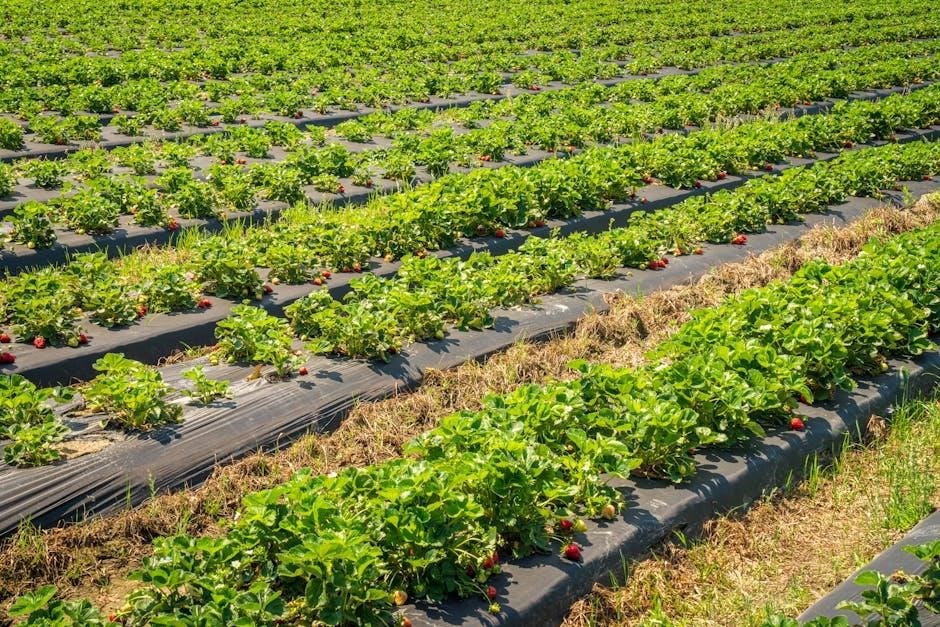
Fruit Tree and Berry Planting
East Texas supports diverse fruit! Select disease-resistant varieties suited to the humid climate. Proper soil preparation and sunlight exposure are crucial for bountiful harvests.
Best Fruit Trees for East Texas
Selecting the right fruit trees is vital for success in East Texas’s humid climate. Consider varieties known for disease resistance and adaptability.
Peach trees are incredibly popular, with ‘Loring’ and ‘Redhaven’ being excellent choices due to their resistance to bacterial spot. Plums, particularly Japanese plums like ‘Methley’ and ‘Santa Rosa’, thrive with proper pruning.
Pears, especially Asian pears, demonstrate good fire blight resistance, a common concern in the region. ‘Hosui’ and ‘Shinseiki’ are recommended. Fig trees are remarkably well-suited, offering multiple harvests with varieties like ‘Brown Turkey’ and ‘Celeste’.
Citrus trees, while requiring winter protection in some areas, can flourish with varieties like satsumas and kumquats. Remember to choose rootstocks appropriate for East Texas soils. Proper drainage is essential for all fruit trees to prevent root rot;
Berry Bush Varieties
East Texas’s climate is ideal for a wide range of berry bushes, offering delicious homegrown harvests. Selecting the right variety ensures optimal yields and disease resistance.
Blueberries are a favorite, with Southern Highbush varieties like ‘O’Neal’ and ‘Star’ performing exceptionally well, requiring acidic soil. Blackberries, both erect and trailing types, are highly productive; ‘Tupy’ and ‘Apache’ are popular choices.
Raspberries, particularly fall-bearing varieties like ‘Heritage’, can thrive with proper care and pruning. Strawberries, including June-bearing and everbearing types, offer continuous harvests. Consider raised beds for improved drainage.
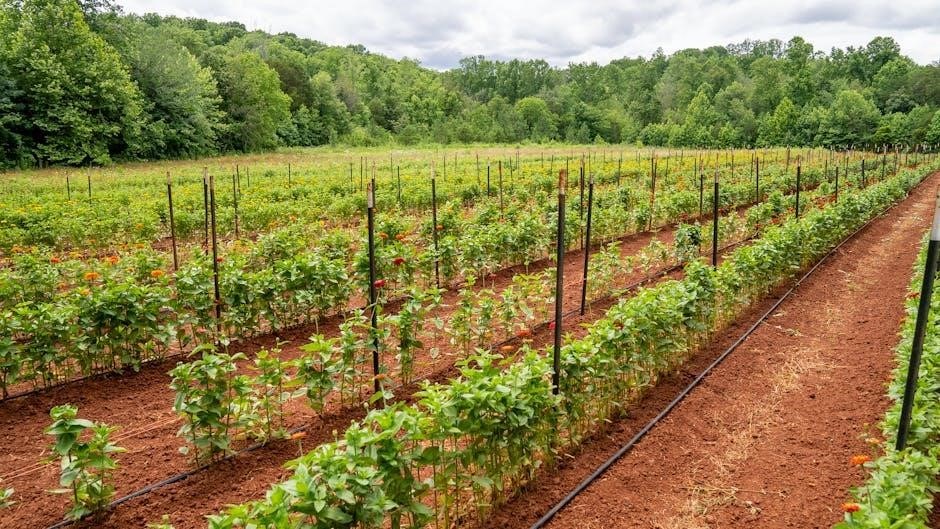
Dewberries, a native species, are exceptionally well-adapted and require minimal care. Ensure adequate spacing between bushes for air circulation, reducing the risk of fungal diseases. Regular fertilization promotes vigorous growth and abundant fruit production.
Planting and Care Considerations
Successful fruit tree and berry planting in East Texas demands attention to detail. Proper site selection is crucial; choose a location with at least 6-8 hours of sunlight daily and well-drained soil.
Soil preparation is key – amend heavy clay soils with organic matter like compost or aged manure. Dig a hole twice as wide as the root ball and ensure the graft union remains above the soil line. Water deeply after planting and maintain consistent moisture, especially during dry spells.
Mulching around the base of plants helps retain moisture, suppress weeds, and regulate soil temperature. Pruning is essential for shaping trees, removing dead or diseased wood, and promoting fruit production. Monitor for pests and diseases, implementing preventative measures as needed.
Fertilize annually with a balanced fertilizer formulated for fruit trees or berries, following package instructions. Protect young trees from animal damage with tree guards or fencing.
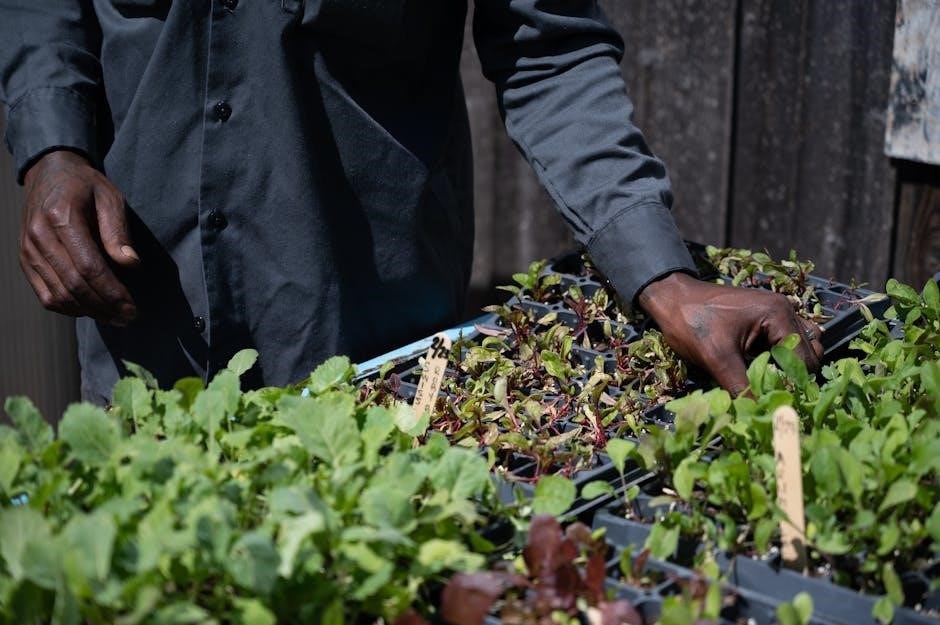
Flower Planting Guide
East Texas blooms beautifully with seasonal flowers! Select varieties suited to the humid climate for vibrant spring, summer, and fall displays, enhancing your garden’s appeal.
Spring Blooming Flowers
East Texas springs burst with color! Consider planting pansies and violas for early blooms, tolerating cooler temperatures. These provide cheerful displays from late winter through spring.
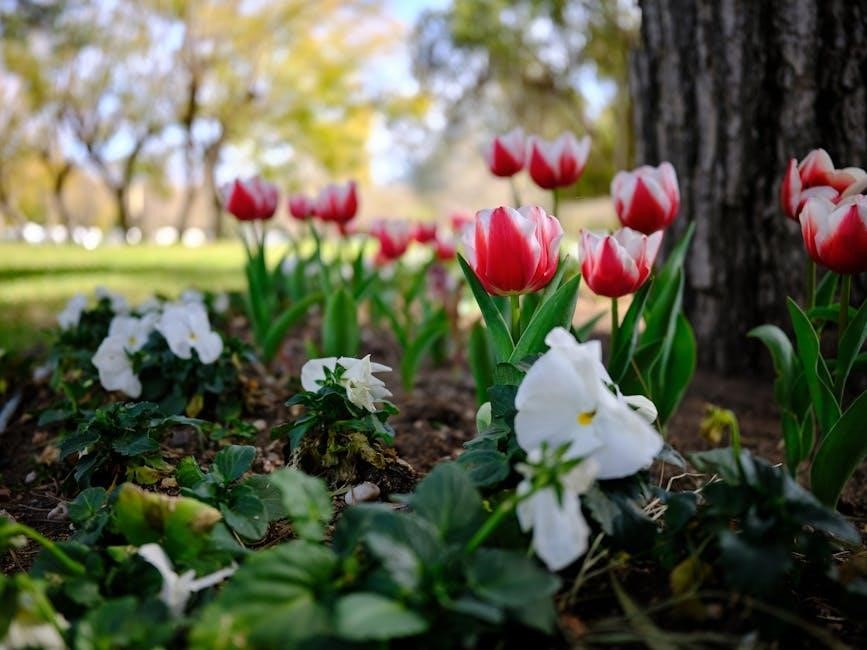
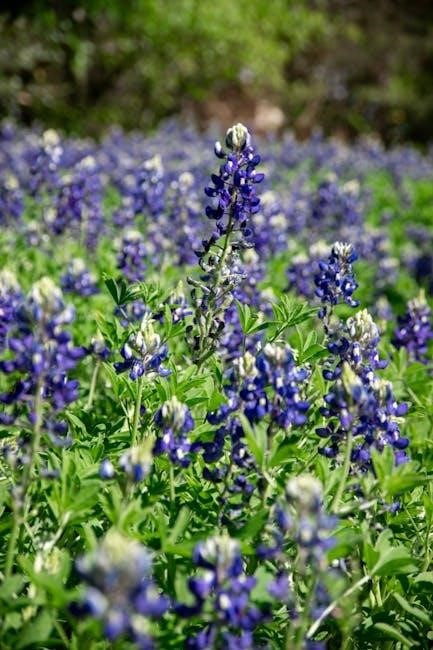
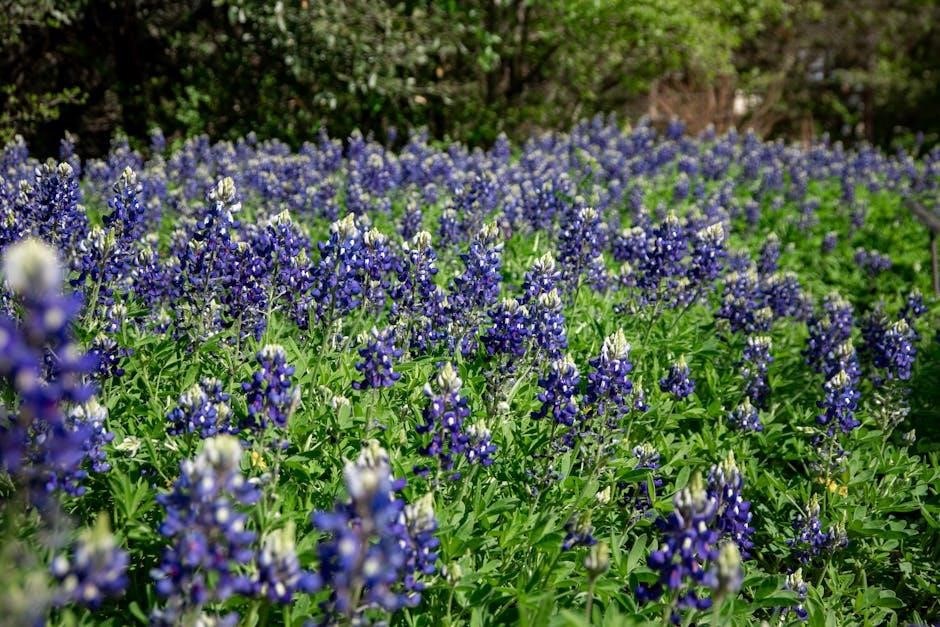
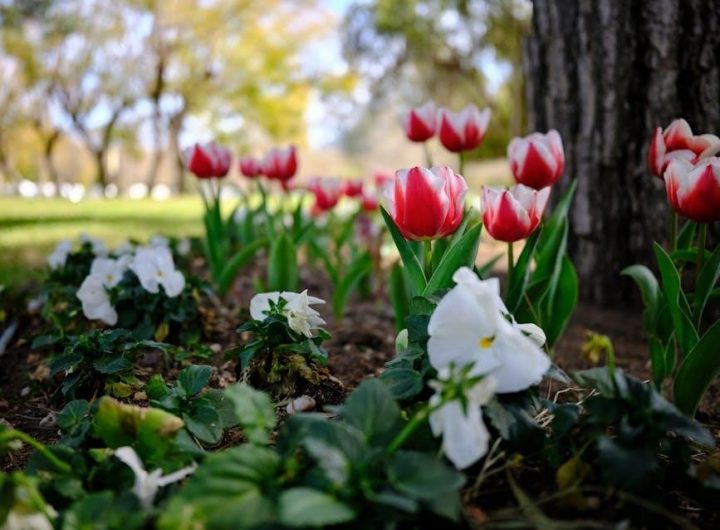
For a more dramatic effect, incorporate daffodils and tulips, ensuring proper drainage to prevent bulb rot in the humid climate. Hyacinths offer fragrant blooms and vibrant hues. Don’t forget about native wildflowers like bluebonnets – the state flower – and Indian paintbrush for a naturalized, low-maintenance garden.
Snapdragons add vertical interest and come in a wide range of colors. Petunias are prolific bloomers, perfect for hanging baskets and containers. Remember to amend the soil with compost before planting to provide essential nutrients. Regular deadheading encourages continued flowering throughout the spring season. Protect young seedlings from late frosts with row covers or blankets.
Summer Blooming Flowers
East Texas summers demand heat-tolerant blooms! Zinnias are a fantastic choice, offering vibrant colors and attracting butterflies. Marigolds provide cheerful hues and deter some garden pests. Consider salvia for its long-lasting blooms and ability to thrive in full sun.
Impatiens are a classic choice for shady areas, providing continuous color throughout the summer. Lantana is incredibly heat-resistant and attracts pollinators. Cosmos add a delicate, airy texture to the garden.
Don’t overlook pentas, which are known for their star-shaped flower clusters and ability to withstand high humidity. Regular watering is crucial during the hot summer months, especially for newly planted flowers. Mulching helps retain moisture and suppress weeds. Deadheading spent blooms encourages continued flowering and keeps your garden looking its best.
Fall Blooming Flowers
Extend the beauty of your East Texas garden into autumn! Mums (chrysanthemums) are the quintessential fall flower, available in a stunning array of colors. Asters provide daisy-like blooms that attract late-season pollinators like bees and butterflies. Sedum, also known as stonecrop, offers unique flower heads and interesting foliage.
Pansies and violas can be planted in the fall for blooms throughout the cooler months, often surviving mild winters. Snapdragons add vertical interest and come in various shades. Consider ornamental kale or cabbage for textural foliage that adds color even after the first frost.
Ensure good drainage to prevent root rot during wetter fall periods. A layer of mulch will help protect plants from fluctuating temperatures. Deadheading encourages continued blooming, and regular watering is still important, though less frequent than in summer.
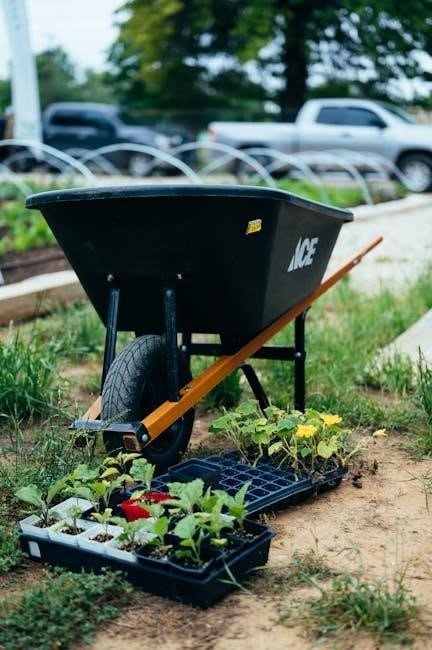
Pest and Disease Management
Protect your East Texas garden! Vigilance is key; monitor plants regularly for pests and diseases. Employ organic solutions whenever possible for a healthy yield.
Common East Texas Garden Pests
East Texas gardens face a variety of pest challenges. Aphids are prevalent, often clustering on new growth and sucking plant sap, leading to distorted leaves. Watch for tomato hornworms, large caterpillars that can quickly defoliate tomato plants. Squash bugs and vine borers pose significant threats to cucurbits like squash and pumpkins.
Deer are a common nuisance, browsing on a wide range of plants. Rabbits also enjoy tender seedlings and low-growing vegetables. Flea beetles can create numerous small holes in leaves, particularly on brassicas like cabbage and kale. Whiteflies, tiny flying insects, can weaken plants with their feeding habits.
Effective monitoring is crucial. Regularly inspect plants for signs of infestation. Consider companion planting to deter pests, and utilize row covers to protect vulnerable crops. Organic insecticides, like neem oil or insecticidal soap, can provide control when necessary. Maintaining healthy soil and strong plants is the best defense against pest attacks.
Disease Prevention Strategies
East Texas’ humidity fosters fungal diseases. Prioritize air circulation by spacing plants adequately and pruning lower leaves. Avoid overhead watering, opting instead for drip irrigation to keep foliage dry. Crop rotation is vital; don’t plant the same family of vegetables in the same location year after year to prevent soilborne diseases.
Select disease-resistant varieties whenever possible. Regularly remove and dispose of any infected plant material – do not compost it. Mulching helps prevent soil splash, reducing the spread of pathogens. Ensure good soil drainage, as soggy conditions encourage root rot.
Preventative fungicide applications can be beneficial, especially during periods of high humidity. Copper-based fungicides are a common organic option. Maintaining healthy plants through proper fertilization and watering strengthens their natural defenses. Sanitation is key: clean tools regularly to avoid spreading diseases.
 west of dead trophy guide
  mitel telephone user guide
  goat simulator 3 trophy guide
  wow classic leatherworking leveling guide
  the st martin’s guide to writing
  nail bit guide
  textbook filetype:pdf
  libro teología del cuerpo juan pablo ii pdf
  east texas planting guide 2024